
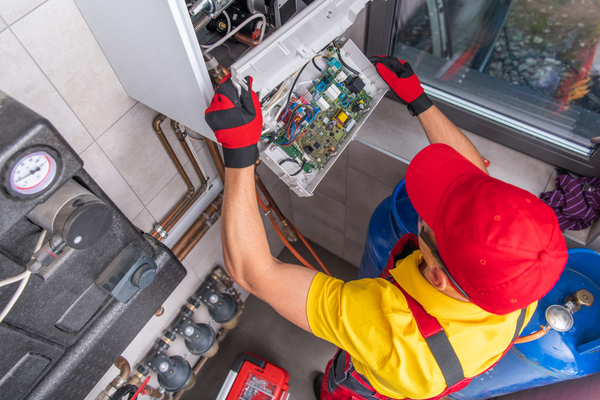
Don’t Get Left in the Cold in Rock Hill
There is nothing quite like the unpleasant shock of stepping into a shower on a chilly Rock Hill morning, expecting a stream of hot water, only to be hit with an icy-cold spray. It’s a frustrating experience that instantly ruins the start of the day.
Your water heater is the silent hero of your home. It works tirelessly behind the scenes, providing the hot water needed for cooking, cleaning, and personal comfort. It is one of the most relied-upon appliances in any house, yet it is often completely forgotten—until it stops working. Suddenly, this out-of-sight machine becomes the only thing on your mind. The truth is, most water heater problems do not appear overnight. They are often the result of small, overlooked issues that grow over time.
This guide will walk you through everything Rock Hill residents need to know about their water heaters. We will cover simple water heater troubleshooting, explore the importance of routine hot water heater maintenance, and discuss the signs that indicate it is time to call a professional. For over years, our community has seen all kinds of plumbing issues, and water heaters are at the top of the list. This guide provides the human experience and advice gathered from helping homeowners just like you.
When the hot water disappears, a moment of panic can set in. But often, the cause is a simple issue you might be able to identify. Understanding the problem is the first step to finding a solution.
The most common reasons for a total loss of hot water depend on the type of heater you own. For electric heaters, the cause is frequently a tripped circuit breaker. For gas-fueled heaters, it is often an extinguished pilot light.
For homes with electric water heaters, the first place to check is your home’s breaker box. Water heaters require a lot of power and usually have a dedicated, high-amperage, double-pole breaker. This breaker can trip, cutting power to the unit. If the breaker is tripped, you can try resetting it once. If it trips again immediately, this signals a more serious electrical problem, such as a failing thermostat or a shorted heating element. Do not continue to reset it. This requires professional electric water heater maintenance.
For homes with gas water heaters, the problem is often the pilot light. This is a small, constant flame that signifies the main burner. If this flame goes out, the heater cannot warm the water. Many modern units have instructions on the tank for safely relighting the pilot. But, if you smell gas—a distinct rotten egg odor—do not attempt to relight anything. Leave the area immediately and call your gas company, followed by a professional plumber. This could also be a sign of a bad thermocouple, which is a safety device that stops the flow of gas if the pilot light is out.

Lukewarm water or hot water that disappears far too quickly is a very common complaint. This is often caused by a faulty thermostat, a broken dip tube, or a significant sediment buildup in the tank.
Your heater has one or two thermostats that control the water temperature. If a thermostat is set too low or fails, it will not heat the water properly. Another common culprit is a broken dip tube. This is a simple plastic tube that directs incoming cold water to the bottom of the tank to be heated. When it breaks, the cold water mixes with the hot water at the top, giving you a lukewarm supply right from the start.
In Rock Hill, however, one of the most frequent problems we see is sediment buildup. Our local water supply can be rich in minerals, which settle at the bottom of the tank. This “scale” creates a thick layer that insulates the water from the heating element or the burner. The heater is forced to work much harder and for much longer to heat the water, leading to poor performance, high energy bills, and a short supply of hot water. This is a prime example of why water heater maintenance service is so important.
A puddle of water around your heater is a major warning sign. A water heater leak is typically caused by a faulty T&P (Temperature and Pressure) relief valve, a loose drain valve, or, most seriously, corrosion and a crack in the tank itself.
The T&P valve is a critical safety feature. If the temperature or pressure inside the tank gets too high, this valve opens to release water and prevent a dangerous explosion. Sometimes, this valve can fail and leak. The drain valve, located at the bottom, can also develop a slow drip.
The most serious cause is a corroded tank. After years of service, the steel tank can rust from the inside out, developing small pinhole leaks or even large cracks. A leaking tank is an emergency and cannot be repaired. It must be replaced. Water damage can happen fast, and ignoring a leak can lead to serious problems with your flooring, subfloor, and drywall. This is a situation where you need expert residential plumbing services without delay.
Water heaters should be relatively quiet. If you suddenly hear new and strange noises, your appliance is trying to tell you something is wrong.
The most-complained-about noise is a popping, rumbling, or kett-like sound. Popping or rumbling sounds are almost always caused by a layer of sediment and mineral scale at the bottom of the tank.
Here is what is happening: that layer of sediment, which we discussed earlier, traps small amounts of water underneath it. As the burner or heating element turns on, it superheats that trapped water, which flash-boils into steam. The “pop” you hear is the sound of that steam bubble exploding through the layer of sediment.
This is not just an annoying sound. It is a sign of extreme inefficiency. Your heater is fighting against a barrier of mineral scale, wasting energy and money. This process also puts immense stress on the tank, which can shorten the appliance’s life. This is a very common issue found during gas hot water heater maintenance and electric unit check-ups. It is a clear sign your tank needs to be flushed.
The single best way to extend the life of your appliance and prevent cold showers is through routine water heater maintenance. This is the one area where a little prevention is worth a pound of cure.
We recommend a professional check-up annually. But the most important task homeowners can focus on is flushing the tank. Especially with the mineral content often found in our local Rock Hill water supply, an annual flush is critical. For some homes, a professional may even suggest doing it more often. The team at B & B Family Plumbing has seen firsthand how this simple step can add years to a heater’s life.
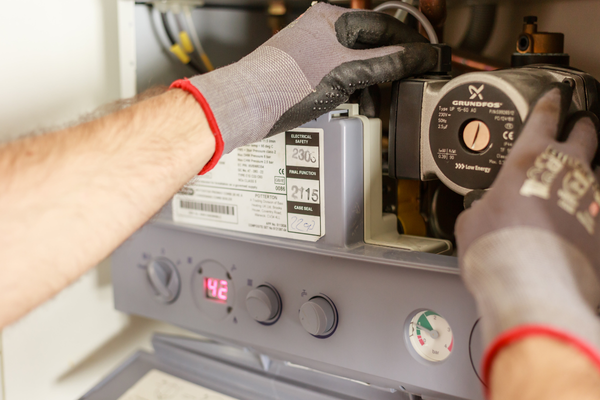
Even with perfect maintenance, no appliance lasts forever. Knowing when to repair versus when to replace is a key decision for homeowners.
A traditional tank water heater typically lasts 8 to 12 years. If your unit is over a decade old and starting to have issues, replacement is often more cost-effective than another repair. The lifespan can be affected by the quality of the unit, the local water quality, and, most of all, the diligence of its maintenance schedule.
When it is time for a replacement, you may want to consider an upgrade. Tankless water heater installation is a popular choice for many Rock Hill homeowners. These units heat water on demand, so you get an endless supply of hot water and are not paying to keep 40 or 50 gallons hot 24/7. They also save a lot of space. This service, along with traditional installation, is something a full-service provider like B & B Family Plumbing can handle. Proper tankless water heater maintenance is also key to their longevity, just like their tank-style cousins. If your home’s pipes are also aging, a replacement might be part of a larger piping installation and replacement project.
Your water heater is a vital part of your home’s comfort and daily function. Understanding the basics of troubleshooting hot water heater problems can save you stress. But more important is the knowledge that proper, consistent water heater maintenance can double its life, save you money, and prevent most of those cold-morning emergencies. Knowing when to repair and when to replace is key to managing your home well.
Do not wait for a cold-water surprise to ruin your day. If you are in Rock Hill, Fort Mill, or anywhere in York County, our team of certified plumbers is ready to help. Call B & B Family Plumbing today for fast, reliable water heater repair, maintenance, or installation!