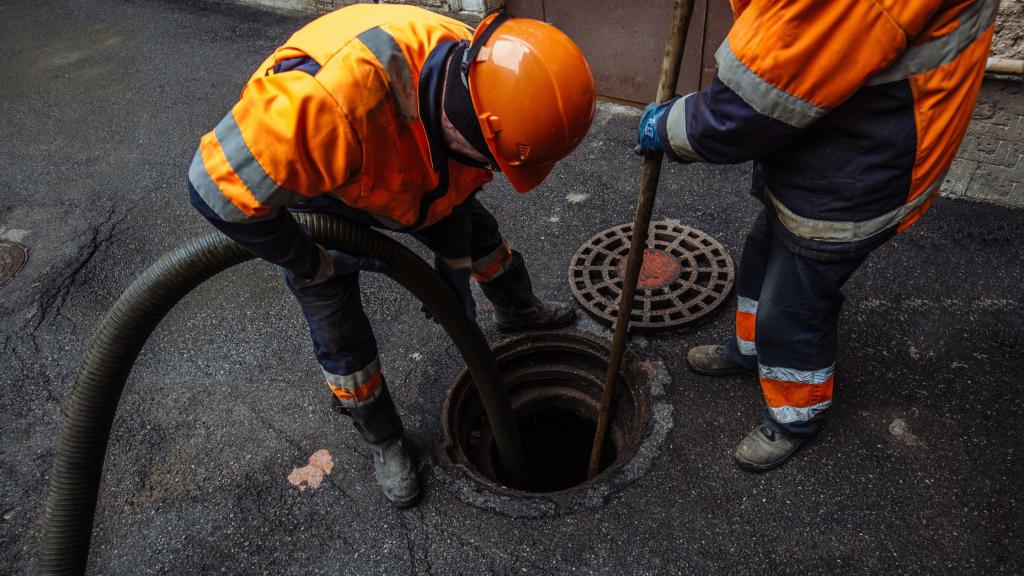
Main Sewer Drain Cleaning: Signs You Need Immediate Sewer Drain Cleaning

When your home’s plumbing starts acting up, sewer drain cleaning might not be the first thing you think about—but waiting too long can turn a small warning sign into a messy, expensive emergency. Your main sewer line is responsible for carrying all wastewater away from your home, so when it’s blocked, everything backs up. In this guide, B&B Family Plumbing explains the most common signs you need immediate main sewer drain cleaning and what to do next.
What Is Your Main Sewer Drain and Why It Matters
Every sink, shower, tub, and toilet in your home connects to a network of smaller drain lines. Those smaller lines all feed into one large pipe: your main sewer drain.
When that main line clogs, every fixture in the house is at risk—not just one bathroom or sink. That’s why issues with the main sewer drain are more serious than a simple kitchen sink clog.
Common causes of main sewer line clogs include:
- Tree root intrusion
- Grease buildup from kitchen drains
- Flushed wipes, hygiene products, or other non-flushable items
- Collapsed or damaged pipes (especially in older homes)
- Heavy scale buildup in old cast iron pipes
Because the main line is buried underground and out of sight, your only warning signs show up inside the house—often in subtle ways at first.
Top Signs You Need Immediate Sewer Drain Cleaning
If you notice one or more of the warning signs below, don’t ignore them. These are strong indicators that your main sewer drain needs urgent, professional attention.
1. Multiple Drains Backing Up at the Same Time
A single slow sink usually points to a localized clog in that drain. But when:
- The bathtub backs up when you flush the toilet
- The basement floor drain overflows when you do laundry
- Several sinks and tubs drain slowly at once
…that’s a classic sign of a main sewer line blockage.
If more than one drain is misbehaving, it’s time to schedule sewer drain cleaning right away.
2. Frequent Toilet Backups and Slow Flushing
Toilets are directly connected to your drain system and often show trouble first.
Watch for:
- Toilets that flush slowly or weakly
- Water rising high in the bowl before draining
- Frequent plunging needed, with clogs returning quickly
One random clog isn’t unusual. But persistent toilet issues across multiple bathrooms suggest a deeper problem in the main sewer line—not just a bad toilet.
3. Gurgling Noises from Drains or Toilets
Hearing strange sounds coming from your plumbing?
Listen for:
- Gurgling toilets after you run a sink or shower
- Bubbling sounds in tubs or floor drains
- “Glug-glug” noises when appliances drain
These sounds often mean air is trapped in your pipes because wastewater can’t move freely past a blockage. That trapped air looks for any way out, causing the gurgling you hear. This is a key symptom of a sewer line that’s starting to clog.
4. Sewage Odors Inside or Outside the Home
You should never smell sewage in or around your house.
If you notice:
- A rotten, sewer-like smell near floor drains
- Odors coming from basement drains or utility room
- Persistent sewer smell in the yard, especially along the path of the sewer line
…you may have a damaged or blocked main sewer drain. Odors are more than unpleasant—they can point to potential health risks and should never be ignored.
5. Water Backing Up in the Lowest Drains
Your lowest fixtures (often basement floor drains, laundry room drains, or first-floor showers) are usually the first to show a serious backup.
Common red flags:
- Water pooling around a basement floor drain
- Sewage or dirty water backing up in a shower or tub
- Laundry water returning through a nearby drain
When your main sewer line is blocked, wastewater has nowhere to go but back up through the lowest openings in your plumbing system.
6. Wet Spots or Lush Patches in the Yard
In some cases, issues in the main sewer line show up outside first.
Look for:
- Soft, soggy spots in the yard even during dry weather
- Extra-green or fast-growing patches of grass along the sewer line path
- Foul smells near those areas
These can indicate a cracked or broken sewer pipe that’s leaking wastewater into the soil. In addition to drain cleaning, you may need repair or replacement.
Why You Shouldn’t Wait to Call for Sewer Drain Cleaning
Delaying service when you see these signs can lead to:
- Sewage backups inside the home – Damage to flooring, walls, belongings, and serious cleanup costs.
- Health concerns – Wastewater can contain bacteria, viruses, and other contaminants.
- More expensive repairs – A partial blockage is easier to clear than a fully collapsed or severely damaged line.
- Structural issues – Long-term leaks can weaken soil under your foundation and concrete slabs.
If you suspect a main sewer problem, it’s safer and more cost-effective to get a professional plumber involved early.
For more background on how wastewater systems work and why proper maintenance matters, you can read this helpful EPA guide on wastewater and septic systems.
What to Do If You Notice Warning Signs
If you see any of the symptoms above, here’s what B&B Family Plumbing recommends:
- Stop using water as much as possible
Limit flushing toilets, running dishwashers, laundry, and long showers until a plumber can inspect the line. - Avoid chemical drain cleaners
Store-bought chemical products can damage your pipes, worsen blockages, and pose safety risks. They’re not designed for main sewer line problems. - Check for patterns
Note which drains are affected and when problems occur (after laundry, showers, etc.). This information helps your plumber diagnose faster. - Call a professional plumber promptly
Main sewer line issues are not a DIY job. Specialized equipment like sewer cameras and high-pressure jetters is needed to safely and effectively clear the blockage.
How B&B Family Plumbing Handles Main Sewer Drain Cleaning
When you call B&B Family Plumbing for sewer drain issues, we follow a proven process to find and fix the problem quickly:
- Initial Assessment
We ask questions about what you’re experiencing—slow drains, backups, odors, and when they started. This helps us zero in on whether the main line is the likely culprit. - Camera Inspection (When Needed)
A sewer camera can be fed through the line to see exactly what’s causing the blockage—roots, broken pipes, heavy buildup, or foreign objects. - Professional Cleaning Methods
Depending on the situation, we may use:- Mechanical augers (snakes) to break up clogs
- High-pressure water jetting to clear grease, roots, and heavy buildup
- Repair Recommendations
If we find damaged or collapsed sections of pipe, we’ll explain your repair or replacement options clearly, along with estimated costs and timelines. - Prevention Tips
We’ll help you understand what caused the issue and how to reduce the risk of future blockages—whether it’s changing what goes down your drains or planning future maintenance.
To learn more about our process and other drain solutions, you can visit our professional drain cleaning services page.
Protect Your Home with Prompt Sewer Drain Cleaning
Main sewer drain problems rarely get better on their own. The earlier you act, the more likely you are to avoid major damage and costly repairs.
If you’re noticing:
- Multiple slow or backed-up drains
- Gurgling toilets or drains
- Sewage odors in or around your home
- Backups in basement or lower-level drains
…it’s time to have your main sewer line inspected and cleaned.
B&B Family Plumbing is here to help with fast, professional sewer drain cleaning so you can protect your home, your health, and your peace of mind.