
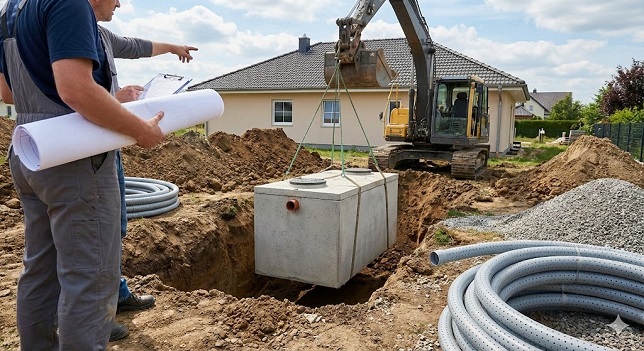
Planning a septic tank installation is a big step for any homeowner. It affects your daily comfort, your property value, and your local environment. At B&B Family Plumbing, we’ve seen how the “hidden” decisions made before installation can either set a system up for decades of trouble-free service or cause constant headaches.
Before anyone brings a backhoe onto your property, here are the key things you need to think through.
A septic system is an on-site wastewater treatment setup that handles everything from toilets, sinks, and showers when you’re not connected to a municipal sewer. The design and size of your system depend on several property-specific factors, including:
Before installation, a qualified professional should walk your property, note these conditions, and explain what kinds of systems are realistic for your site.
For a solid technical overview of typical septic systems and their components, the EPA’s septic systems page is a helpful resource.
Every area has its own rules about septic systems. In some places, if a public sewer line is available within a certain distance, you may be required to connect instead of installing or replacing a septic system.
Before you move forward, make sure you understand:
B&B Family Plumbing can help you navigate these requirements so your project stays compliant and on schedule.
Your soil is just as important as your tank. If water can’t soak into the ground at the right speed, the system won’t work properly. That’s why most septic designs start with a site and soil evaluation, which may include:
If your soil drains too quickly, wastewater might not get treated well enough. If it drains too slowly or the water table is too high, the system can back up and fail. A good evaluation makes sure the design fits the land.
Septic systems are not one-size-fits-all. They must be sized based on how much wastewater your home will actually produce. Typically, designers look at:
Beyond size, you’ll also need to decide on system type, such as:
Your installer should explain why they recommend one design over another for your property and budget.
Septic tanks themselves come in different materials, each with pros and cons:
Ask about:
These details directly impact how easy your system is to service and how long it will last.
Once you know the general design, placement becomes the next big decision. A good layout will:
You’ll also want to think about day-to-day convenience. For example, make sure there’s vehicle access for pump trucks to reach the tank without driving over the drain field.
The price tag for septic tank installation is more than just the tank itself. When comparing quotes, ask each contractor to clearly spell out:
Also consider long-term costs:
A slightly higher upfront cost for a well-designed system can save you thousands of dollars in repairs or premature replacement later.
A new septic system isn’t “set it and forget it.” From day one, you should know:
Planning for maintenance at the installation stage keeps your system in good shape and helps you avoid unexpected failures. For deeper homeowner tips, the EPA’s homeowner guides on septic care are worth bookmarking.
The company you hire is just as important as the system design. Look for:
At B&B Family Plumbing, we help homeowners through every step of the process—from evaluating your property and coordinating with local inspectors to installing the system and explaining how to care for it. To learn more about how we handle septic tank installation projects from start to finish, visit our septic tank installation services page.
A septic system is a long-term investment in your home. When you take the time to:
…you’re setting yourself up for decades of reliable, low-stress performance.
If you’re ready to explore options for a new system—or you just want honest answers before you commit—reach out to B&B Family Plumbing. We’ll help you make confident decisions before your new septic system installation begins.
Monday – Friday 8 AM–5 PM
Saturday 8 AM–3 PM
Sunday Closed